Winter Squash and Pumpkin: Which to Buy for Soup, Pie and Roasting

Buy butternut squash for soup, roasting and pasta, and a small pie pumpkin or a can of pumpkin purée for pie and baking. Buy delicata when you want a squash you can roast and eat skin and all, and spaghetti squash when you want strands to use in place of noodles.
Winter squash and pumpkin show up in 302 of the public recipes home cooks have saved in SeeMeCook. Pumpkin leads with 162 recipes, and 133 of those call for canned pumpkin or pumpkin purée rather than a fresh pumpkin. Butternut comes next with 65, and every other variety appears in fewer than ten.
I’m making…
Pick a dish to see which squash to buy and what home cooks have saved.
- Soup. Use butternut, or cook a pie pumpkin and use its flesh wherever a recipe calls for pumpkin purée, soup included. Read about butternut. Home cooks have saved 20 winter squash and pumpkin soups in SeeMeCook.
- Roasted squash. Every winter squash roasts well. Delicata roasts skin and all, so there is nothing to peel. Read about delicata. Home cooks have saved 20 roasted squash recipes in SeeMeCook.
- Pie and baking. Use a pie or sugar pumpkin, the kind grown for cooking, or a can of pumpkin purée. Butternut, with its sweet, nutty pumpkin flavor, works too. Read about pumpkin. Home cooks have saved 113 pumpkin and squash pies, breads, muffins and other bakes in SeeMeCook.
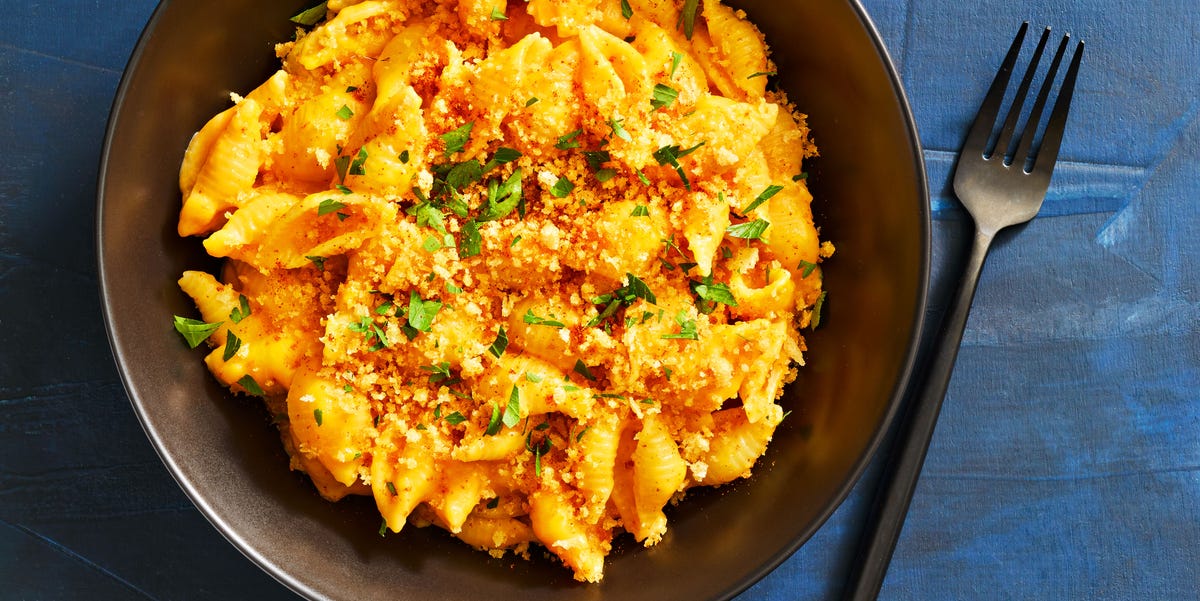
- Pasta. Bake spaghetti squash and scrape it into strands to use in place of noodles, or stir roasted butternut into pasta. Read about spaghetti squash. Home cooks have saved 51 pasta, risotto and gnocchi recipes with winter squash in SeeMeCook.
- Stuffed squash. Halve a small squash, scoop out the seeds and keep the skin on to hold the filling. SeeMeCook cooks stuff acorn, delicata and spaghetti squash. Read about acorn squash. Home cooks have saved 7 stuffed squash recipes in SeeMeCook.
How long each squash keeps
Winter squash are harvested once the rind has hardened and the seeds have matured, and that hard rind lets them keep for weeks or even months. Purdue Extension sorts them by how long they last: acorn, delicata and spaghetti squash are best within a month or two of harvest, butternut keeps for two to three months, and kabocha, buttercup, Hubbard, red kuri and turban squash keep for up to six months.
- DelicataA month or twoDelicata: a month or two.
- AcornA month or twoAcorn: a month or two.
- SpaghettiA month or twoSpaghetti: a month or two.
- ButternutTwo to three monthsButternut: two to three months.
- KabochaUp to six monthsKabocha: up to six months.
Winter squash and how to use them
Butternut squash
Butternut is best for soup, roasting and pasta.
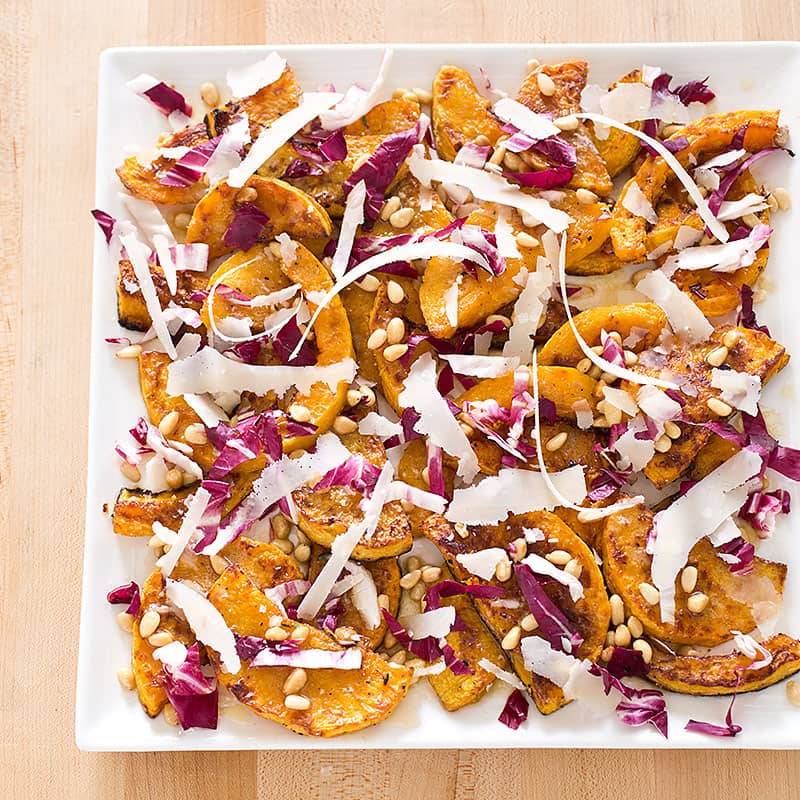
Butternut is a medium-sized squash of three to five pounds with a long body, yellow-tan skin and orangey flesh, and the University of Kentucky extension describes its flavor as sweet, nutty and like pumpkin. Purdue Extension advises choosing one with deep tan skin and no green streaks. It keeps for two to three months.
Butternut appears in 65 SeeMeCook recipes. Cooks use it most in pasta, risotto and gnocchi (19 recipes), then roasted (13) and in soups (9).

Pumpkin
Pie pumpkins and canned pumpkin are best for pie, bread and other baking.
Most pumpkins are grown for decoration, but pie or sugar pumpkins are the ones grown for cooking. Pumpkin is always cooked before eating, and its peel is not eaten. Purdue Extension recommends pricking a whole pie pumpkin and baking it at 350°F for about an hour, until it is soft enough to cut, then scooping out the seeds and flesh. That cooked flesh can be used anywhere a recipe calls for pumpkin purée, in pies, soups or breads. Canned pumpkin is a convenient way to keep pumpkin on hand, and Mississippi State University Extension recommends checking the label for added sugar.
Pumpkin appears in 162 SeeMeCook recipes, far more than any other winter squash. Most of them, 133, call for canned pumpkin or pumpkin purée, and 107 are pies, breads, muffins, cookies and other bakes.


Kabocha squash
Kabocha is best when you want a squash that keeps for months.
Kabocha is one of the common winter squash listed by the University of Minnesota extension. Purdue Extension groups it with buttercup, Hubbard, red kuri and turban squash, the types that can be stored for up to six months.
Kabocha appears in 8 SeeMeCook recipes, where cooks roast it, stir it into pasta and simmer it in curries.


Acorn squash
Acorn squash is best roasted or stuffed.
Acorn squash is small and round, one to three pounds, with green, orange or even white skin and mild yellow-orange flesh. It does not need curing after harvest, but it keeps for only about a month.
Acorn squash appears in only 2 SeeMeCook recipes: a pork tenderloin traybake and a stuffed vegan squash.


Delicata squash
Delicata is best roasted with the skin on.
Delicata has long, green-and-white-striped fruits with light yellow flesh and a sweet, delicate taste. You can roast it and eat it skin and all, so there is no need to peel it. Like acorn squash, it keeps for only about a month.
Delicata appears in 5 SeeMeCook recipes, and 3 of them are sausage-stuffed delicata rings.


Spaghetti squash
Spaghetti squash is best as a stand-in for pasta.
Spaghetti squash has yellow-ivory skin and light yellow, stringy flesh with a mild flavor, and it is often used as a pasta substitute. The University of Minnesota extension suggests baking it, scraping out the strands and topping them with pasta sauce.
Spaghetti squash appears in 4 SeeMeCook recipes. Two are stuffed spaghetti squash, one turns the strands into a quiche crust, and one tosses them with garlic, Parmesan and spinach.


How to buy winter squash and pumpkins
Choose squash that is firm and heavy for its size, with a hard, dull rind. A soft rind can mean a watery squash that lacks flavor, and a shiny skin is a reason to pass it by. Avoid squash with blemishes, decay, or moist, blackened or shriveled stems. If the rind is green, there should be an orange spot where the squash rested on the ground. Pumpkins are best deep orange and heavy for their size, so avoid any that are soft, cut or bruised.
How to store winter squash and pumpkins
Keep whole winter squash unwashed in a cool, dark place out of direct light. Purdue Extension recommends 50 to 60°F as the ideal storage temperature, and depending on the variety, squash keep from one week to six months, with acorn and delicata lasting only about a month. Pumpkins can be stored at room temperature for a few months without refrigeration, but they last longer somewhere a little cooler.
Common questions
Can you eat the skin of winter squash?
Delicata is eaten skin and all. Mississippi State University Extension advises against eating the skin of other winter squash, and pumpkin peel is not eaten.
How long does winter squash keep?
Acorn, delicata and spaghetti squash are best within a month or two, butternut keeps for two to three months, and kabocha and Hubbard can keep for up to six months in a cool, dark place.
How do you make pumpkin purée from a fresh pumpkin?
Prick a whole pie pumpkin, bake it at 350°F for about an hour until soft, then cut it in half, scoop out the seeds and stringy pith, and scoop the flesh from the skin.
How the counts were made
Counts come from the 18,765 public recipes in SeeMeCook that are open to search engines, as of November 7, 2026. A recipe counts toward a variety when one of its ingredients names it: butternut; pumpkin, calabaza or zapallo, with canned pumpkin and pumpkin purée counted both as pumpkin and on their own; kabocha, Japanese pumpkin, Hokkaido or red kuri; acorn; delicata; and spaghetti squash. A bare “squash” is left out because it may be summer squash, and so are pumpkin seeds, oils, syrups and spice blends. Dish counts come from recipe titles, so they are close estimates rather than exact figures, and a recipe can count toward more than one dish.
Sources
- University of Kentucky Cooperative Extension, “Growing Your Own: Winter Squash and Pumpkins” (NEP-250)
- Purdue Extension FoodLink, “Winter Squash”
- Purdue Extension FoodLink, “Pumpkin”
- University of Minnesota Extension, “Winter squash”
- Mississippi State University Extension, “HappyHealthy Winter Squash Fact Sheet”
- University of Illinois Extension, “Winter Squash” handout
Save the squash recipes you want to cook
Import a supported video, recipe link or cookbook photo, then cook it one step at a time in Cooking Mode. Free to start.
Get SeeMeCook free