Types of Potatoes: How to Choose the Right One for Every Dish
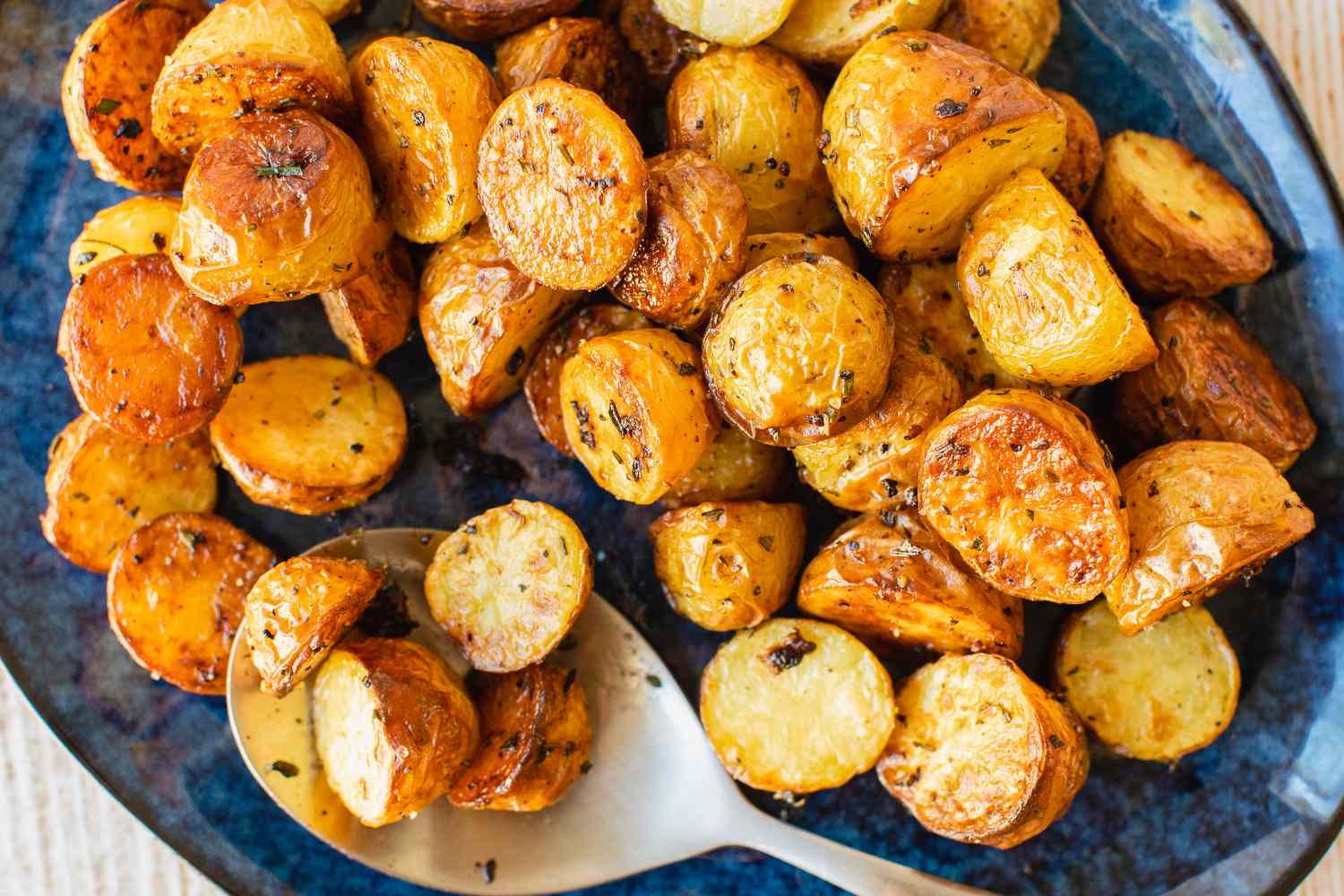
Buy russets for fluffy mashed potatoes, baked potatoes and fries. Buy Yukon Golds when you want one potato that works in almost any dish. Buy red or new potatoes for potato salad, soups and stews, and fingerlings for roasting, because their waxy flesh holds its shape.
Potatoes show up in 1,401 of the public recipes home cooks have saved in SeeMeCook, not counting sweet potatoes. Most of those recipes simply call for potatoes, but when cooks name a variety, russet comes first with 209 recipes, followed by baby and new potatoes with 137 and Yukon Gold with 108.
I’m making…
Pick a dish to see which potatoes to buy and what home cooks have saved.
- Mashed potatoes. Use russets for a light, fluffy mash or Yukon Golds for a smoother, buttery one. Skip waxy potatoes, which can turn pasty. Read about russets. Home cooks have saved 95 mashed potato recipes in SeeMeCook.
- Roasted potatoes. Use Yukon Gold, red, fingerling or new potatoes, which all roast well, or bake sweet potatoes whole. Read about Yukon Golds. Home cooks have saved 205 roasted, smashed and baked potato recipes in SeeMeCook.
- Fries. Use russets, the classic choice for fries, or Yukon Golds. Fingerlings split lengthwise and roasted make a smaller alternative. Read about russets. Home cooks have saved 109 recipes for fries, wedges, hash browns and latkes in SeeMeCook.
- Potato salad. Use red, fingerling or small new potatoes, which hold their shape. Skip russets, which fall apart. Read about red potatoes. Home cooks have saved 47 salads made with potatoes in SeeMeCook.
- Soup or stew. Use red or new potatoes, which hold their shape in the pot. The University of Arkansas extension advises against fingerlings in soup. Read about red potatoes. Home cooks have saved 142 potato soups, chowders and stews in SeeMeCook.
- Gratin. Skip russets, which fall apart in a gratin, and use a potato that holds its shape. SeeMeCook cooks use Yukon Golds in more gratins and scalloped potatoes than any other variety. Read about Yukon Golds. Home cooks have saved 38 gratins and scalloped potato recipes in SeeMeCook.
Starchy or waxy
The University of Arkansas extension classifies potatoes into three groups: starchy, waxy and all-purpose. Starchy potatoes are high in starch and low in moisture, so they cook up fluffy and absorbent but fall apart in a salad or gratin. Waxy potatoes hold their shape well in salads and soups but tend to turn pasty when mashed. All-purpose potatoes such as Yukon Gold sit in between.
- RussetStarchyRusset: starchy.
- Yukon GoldAll-purposeYukon Gold: all-purpose.
- RedWaxyRed: waxy.
- FingerlingWaxyFingerling: waxy.
- New potatoesVery waxyNew potatoes: very waxy.
Potato varieties and how to use them
Russet potatoes
Russets are best for baking, mashing and fries.
Russets, including the classic Idaho, are starchy, white-fleshed potatoes with a neutral flavor and a fluffy, creamy, soft texture. Potatoes USA calls them the potato of choice for baking and ideal for light, fluffy mashed potatoes, and says they fry up crisp and golden brown. Because they break down as they cook, the University of Arkansas extension says they are not good in potato salad or gratin.
Leaving sweet potatoes aside, no variety appears in more SeeMeCook recipes than russet, which shows up in 209. Cooks use russets most for fries, wedges, hash browns and latkes (59 recipes), then roasted and baked potatoes (31) and mashed potatoes (20). Only 3 are potato salads.


Yukon Gold potatoes
Yukon Golds are best when you want one potato that works in almost any dish.
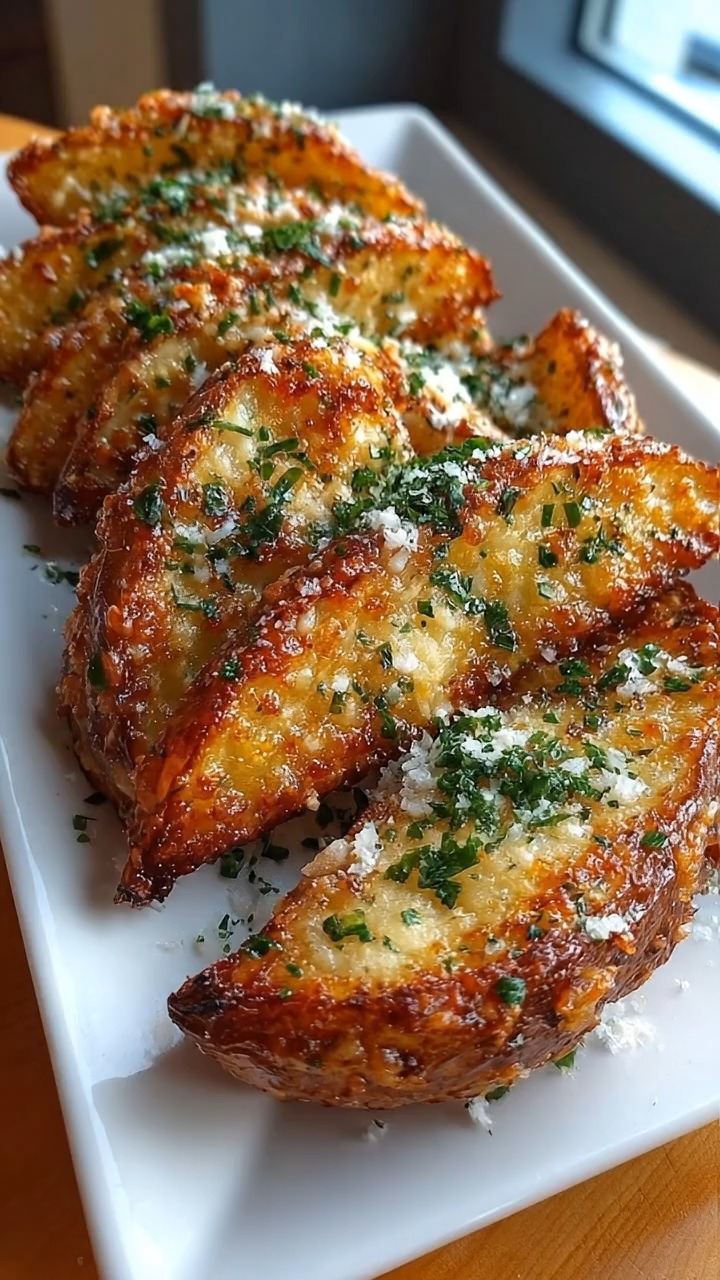
Yukon Gold is an all-purpose potato with yellowish-white skin and light yellow, almost golden flesh. It’s slightly sweet, with a smooth, almost waxy texture and moist flesh. The University of Arkansas extension says it’s good for boiling, baking and French fries, and that it stands up well to grilling, pan frying and roasting. Potatoes USA says the smooth, buttery texture of yellow potatoes makes delicious baked, roasted and mashed potatoes.
Yukon Gold appears in 108 SeeMeCook recipes, or 184 if you count every potato sold as yellow or gold. Cooks spread them across soups and stews (18), roasted potatoes (18), mashed potatoes (16) and gratins (11), and no other variety appears in as many gratins and scalloped potatoes.


Red potatoes
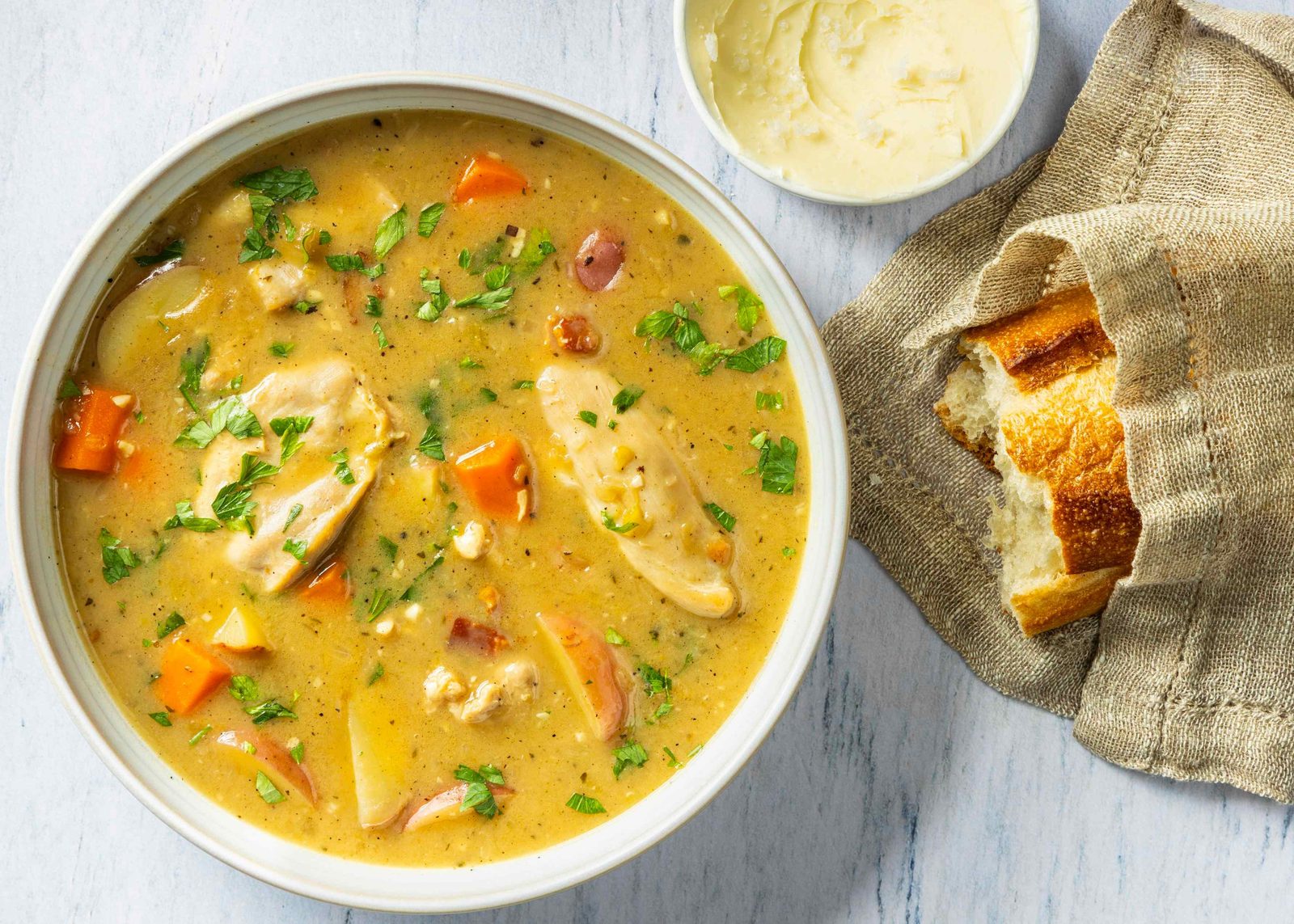
Red potatoes are best for potato salad, soups and stews.
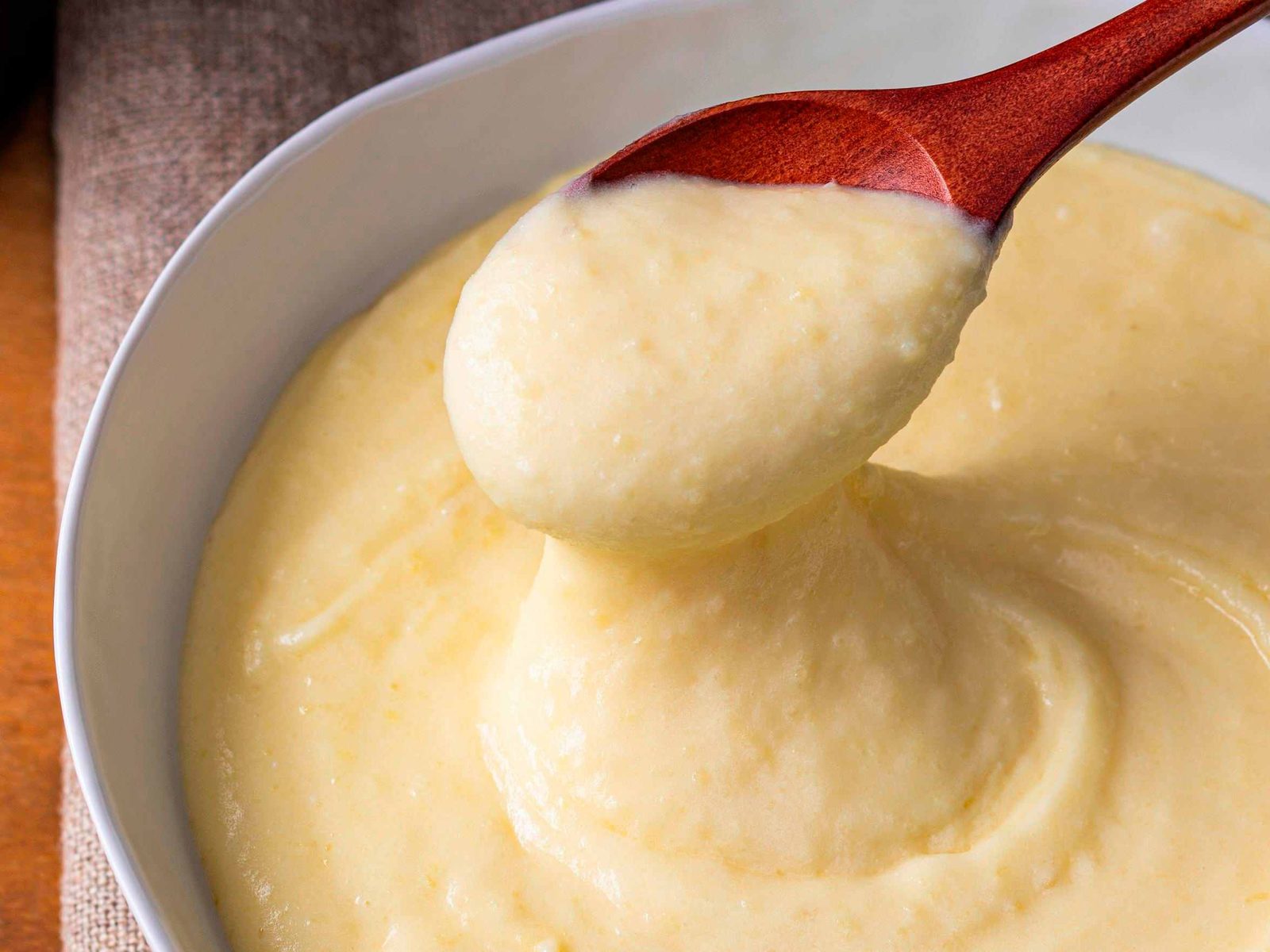
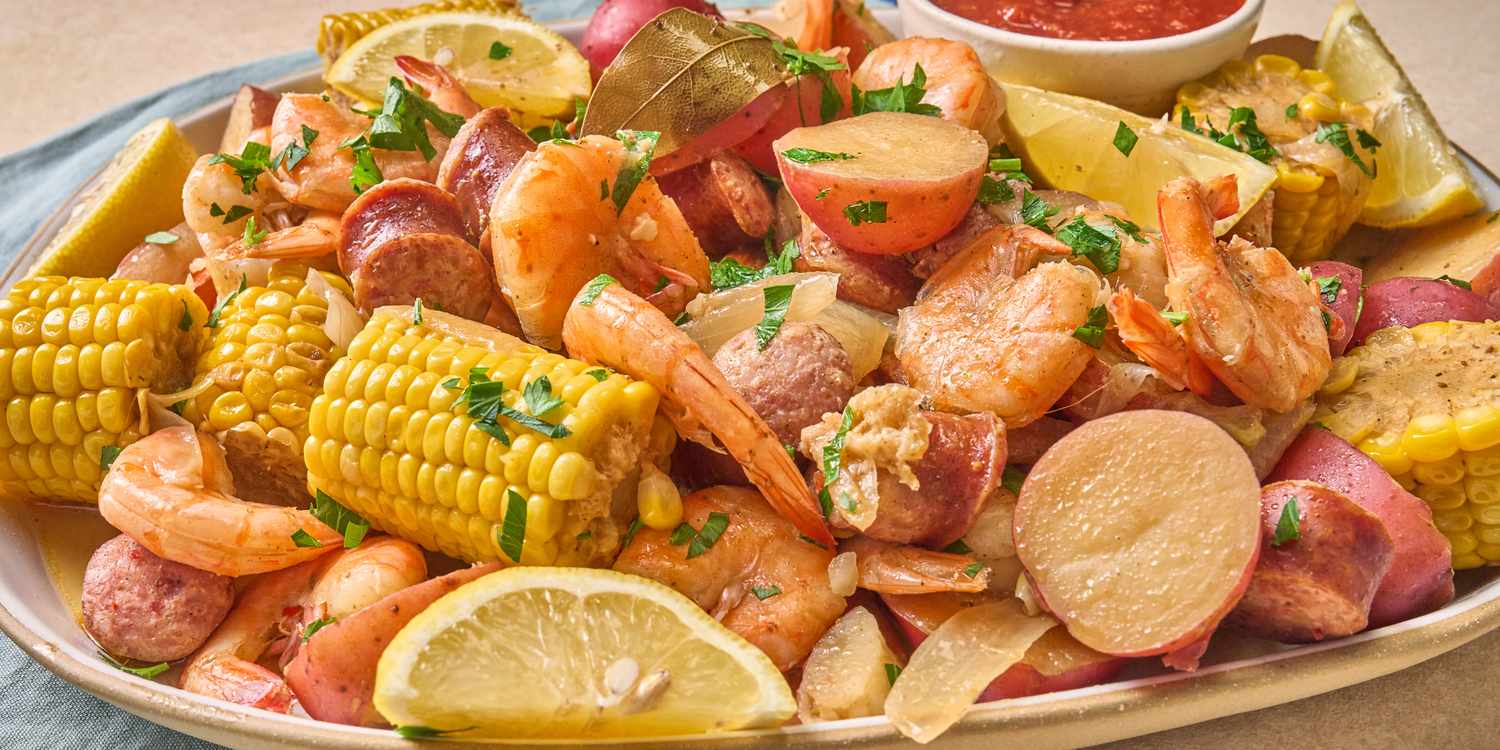
Red-skinned potatoes such as Red Bliss have creamy white flesh and a firm, moist, waxy texture. The University of Arkansas extension recommends them for soups, stews, boiling, roasting, potato salad and casseroles. Potatoes USA says their flesh stays firm through cooking and that round reds are often called new potatoes. They can be mashed, but the extension warns they tend to turn pasty.
Red potatoes appear in 20 SeeMeCook recipes. Cooks use them for roasted potatoes (5), soups and stews (5) and one-pan dinners, pot pies and seafood boils (4).
Fingerling potatoes
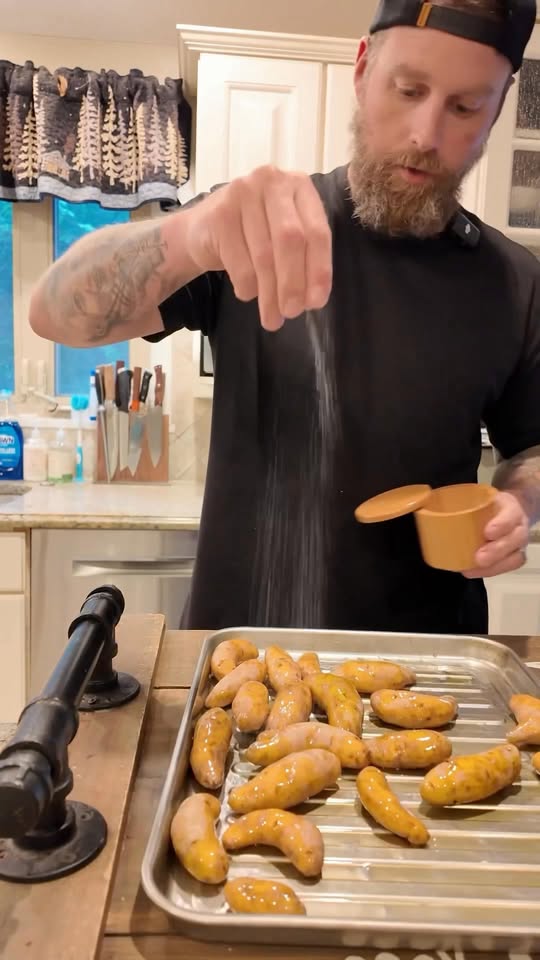
Fingerlings are best roasted or pan-fried.
Fingerlings are two to three inches long and shaped like fingers, with thin, buff-yellow skin, light yellow flesh, a mild, nutty, earthy flavor and a firm texture. The University of Arkansas extension suggests boiling, baking or roasting them or using them in potato salad, but not in soup. Potatoes USA recommends pan-frying or roasting them, or splitting them lengthwise and oven-roasting them as a side dish instead of fries.
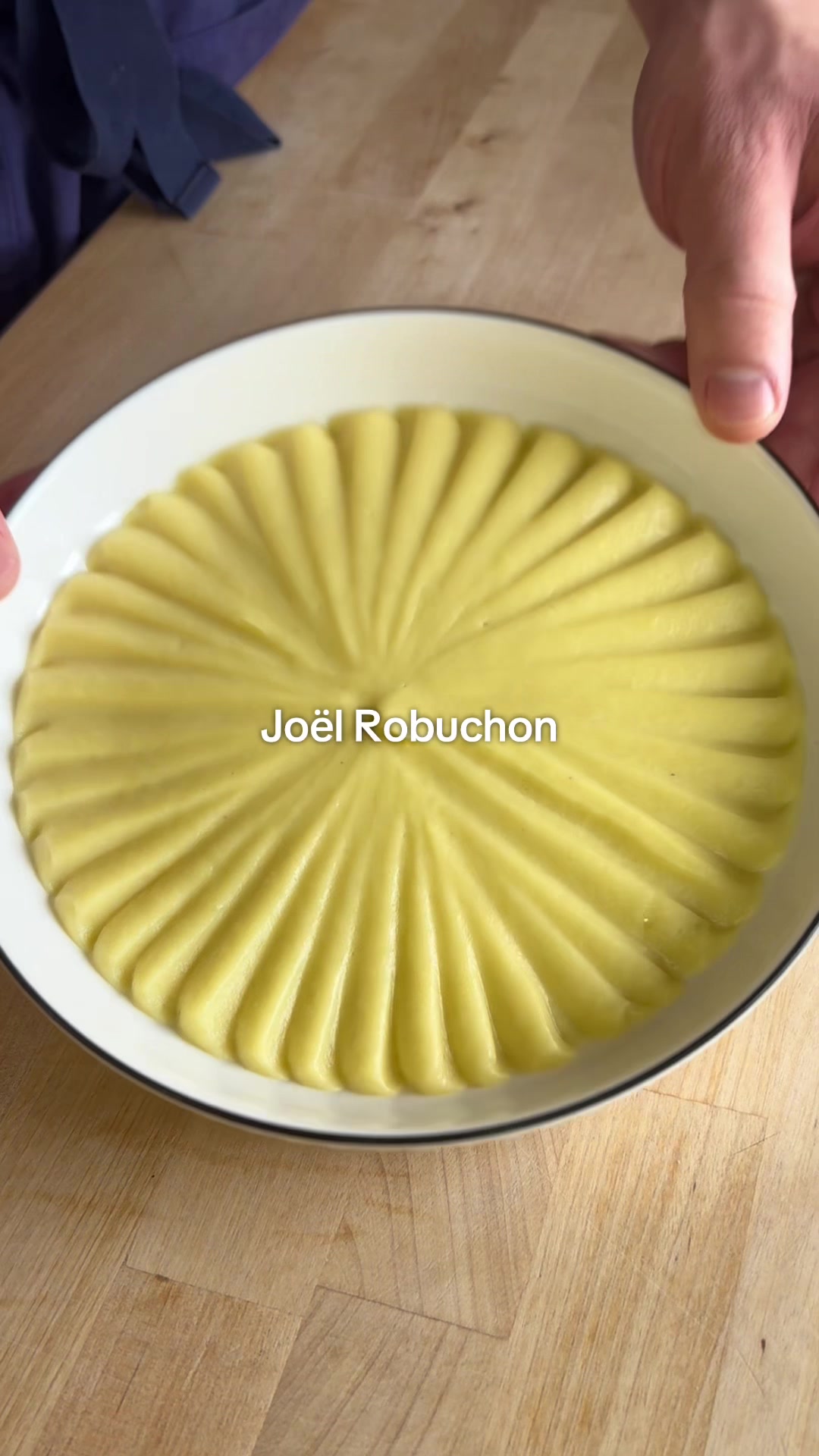
Fingerlings are rare in SeeMeCook and appear in only 4 recipes. Two of them are rich French-style mashed potatoes made with Ratte potatoes, and the other two are roasted or smashed.

Baby and new potatoes
Baby and new potatoes are best roasted whole, smashed or in potato salad.
New potatoes are young potatoes harvested before their sugars have fully converted to starch. They’re small and round with thin skins, and they’re sweet, firm, creamy and very waxy. The University of Arkansas extension recommends boiling, steaming or roasting them or adding them to soups, but not baking them. Potatoes USA says that because small potatoes cook quickly and have concentrated flavor, they’re a good choice for potato salad, and they can be cooked and served whole.
Baby and new potatoes appear in 137 SeeMeCook recipes, second only to russets among the named varieties. Cooks roast or smash them most often (51 recipes), then put them in one-pan and slow-cooker dinners (43) and potato salads (8).


Sweet potatoes
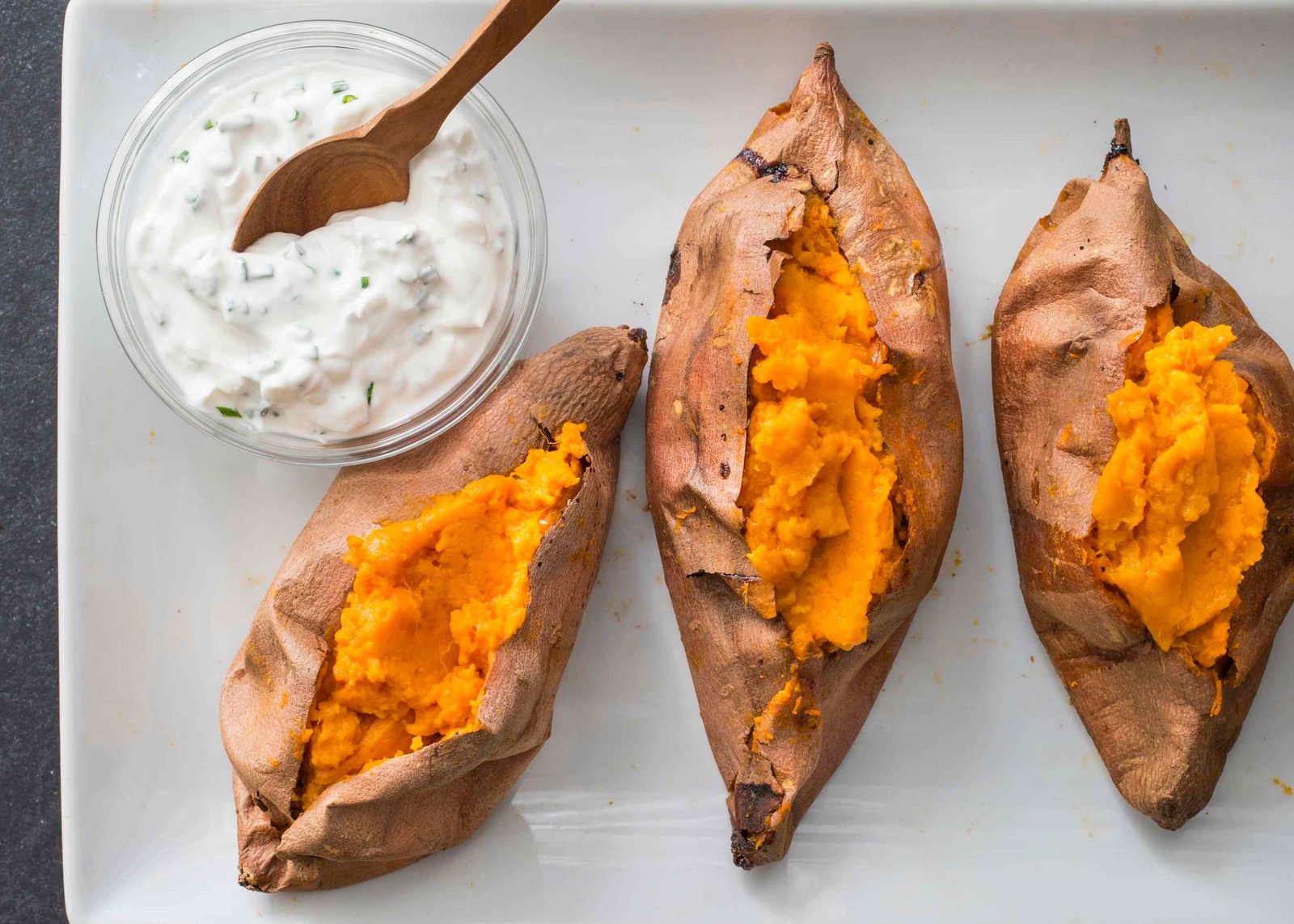
Sweet potatoes are best baked whole, mashed or in pie.
Sweet potatoes are not on the scale above, but the University of Arkansas extension counts many sweet potatoes among the starchy potatoes. Clemson Cooperative Extension recommends pricking the skin and baking them at 400°F for 40 to 50 minutes, boiling them whole or microwaving them, and its sweet potato pie recipe starts with baked or boiled sweet potatoes puréed with butter.
Sweet potatoes appear in 232 SeeMeCook recipes, more than russets. The largest group is desserts and baked goods (47 recipes), and 19 of those are brownies. Roasted and baked sweet potatoes come next (25), then mashed sweet potatoes (16).


How to buy potatoes
Choose clean, firm, smooth potatoes that are not green and have no sprouts. Pass over any with large cuts, cracks, bruises, decay, sprouting eyes or shriveled skin. For sweet potatoes, look for firm, well-shaped roots with clean, smooth skins and no soft spots or bruises.
How to store potatoes
Store raw potatoes in a cool, dark, well-ventilated place such as a pantry, away from warm spots like the stove and the side of the refrigerator, where they will keep for up to a month. Don’t refrigerate them, because below 50°F their starch turns to sugar, which gives them a sweet taste and makes them darken when cooked. The counter is a poor spot too, since sunlight can turn potatoes green and bitter and make them sprout. If a potato has a few sprouts or green spots, cut them off before cooking, and throw away potatoes that have shriveled. Don’t wash potatoes until just before you cook them, because a damp potato spoils faster, and store them in a paper bag or a plastic bag with holes cut into it.
Store sweet potatoes in a dry, well-ventilated place and keep them out of the refrigerator as well, because cold can cause dark spots and off-flavors.
Common questions
What is the best potato for mashed potatoes?
Russets make the lightest, fluffiest mash, and Yukon Golds make a smoother, buttery one. Waxy potatoes such as reds and fingerlings tend to turn pasty when mashed.
Can you keep raw potatoes in the refrigerator?
No. Below 50°F their starch turns to sugar, which makes them taste sweet and turn dark when cooked. Keep them in a cool, dark, well-ventilated place instead.
Which potatoes hold their shape when boiled?
Waxy potatoes, such as red, fingerling and new potatoes, hold their shape, which is why they suit potato salad. Russets soften and fall apart.
How the counts were made
Counts come from the 18,765 public recipes in SeeMeCook that are open to search engines, as of November 7, 2026. A recipe counts toward a variety when one of its ingredients names it: russet or Idaho; Yukon, or yellow and gold for the wider count; red; fingerling, Ratte or Kipfler; baby, new, mini, petite, pee-wee or creamer; and sweet potato. Red, baby, yellow and gold count only when the same ingredient also says potato, and potato products such as chips, starch and gnocchi are left out. A recipe that lists russet or Yukon Gold counts toward both. Dish counts come from recipe titles, so they are close estimates rather than exact figures, and a recipe can count toward more than one dish.
Sources
- University of Arkansas Cooperative Extension, “Knowing the Types of Potato to Use in Your Cooking”
- Potatoes USA, “Potato Types”
- Wisconsin Potato & Vegetable Growers Association, “Do You Know How to Store Your Potatoes?”
- Clemson Cooperative Extension, “Sweetpotato Basics” (HGIC 3538)
Save the potato recipes you want to cook
Import a supported video, recipe link or cookbook photo, then cook it one step at a time in Cooking Mode. Free to start.
Get SeeMeCook free