Imported from the web
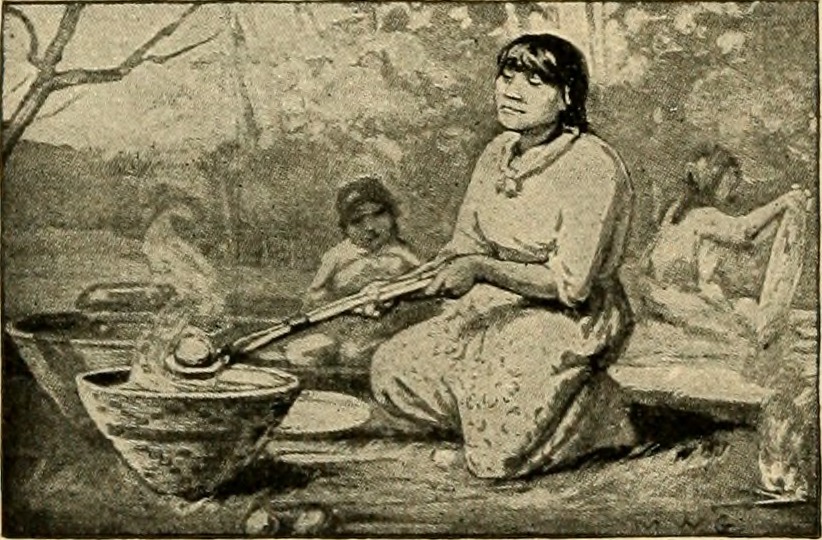
Traditional Stone Boiling Method
A traditional moist-heat cooking method used by Indigenous peoples across North America and Polynesia. It involves transferring fire-heated rocks into a water-filled container to boil liquids, extract fats, and cook stews.
Cook this recipe, hands-free
Open it in SeeMeCook for step-by-step Cook Mode, built-in timers, and your whole recipe library — free to start.
Ingredients
- Water (Enough to fill the cooking container (bark basket, clay pot, or lined pit))
- 10 River stones (Fist-sized (at least 10 cm), ideally sourced from a river for better heat transfer)
- Stew ingredients (Such as meat, vegetables, nuts for oil, or bones for grease)
- Firewood (Ample supply to maintain a high-heat hearth)
Steps
- 1
Prepare the cooking container. Depending on available resources, use a bark basket, a thick-walled clay pot, a wooden trough (kōhua), or a below-ground pit lined with bison hide or animal paunches.
- 2
Fill the container with water and add the food items to be cooked, such as meat, vegetables, or bones for grease extraction.
- 3
Build a large fire in a nearby hearth. Place fist-sized river stones (at least 10 cm in diameter) directly into or near the fire.
- 4
Heat the stones until they reach upwards of 500°C (932°F). This requires significant fuel and time.
- 5
Using forked sticks, carefully transfer the heated stones from the fire into the water-filled container.
- 6
As the stones cool and transfer their heat to the liquid, use the forked sticks to remove them from the container, bracing them against the side to lift them out.
- 7
Return the cooled stones to the fire to reheat. Repeat the process of transferring hot stones into the container until the liquid reaches a rolling boil and the food is fully cooked.
- 8
Monitor the stones for breakage; if a stone breaks or wears down to smaller than 10 cm, discard it and replace it with a fresh river stone.
Notes
River stones are preferred over sandstone because they heat up and transfer heat more slowly, which is better for controlled cooking. This method was historically essential for extracting bone grease used in pemmican production.
Nutrition per serving
Every recipe, finally cookable.
Turn your next favorite video into a recipe you can actually follow — ingredients, steps, and times in seconds.
Already have SeeMeCook? Open this recipe →